
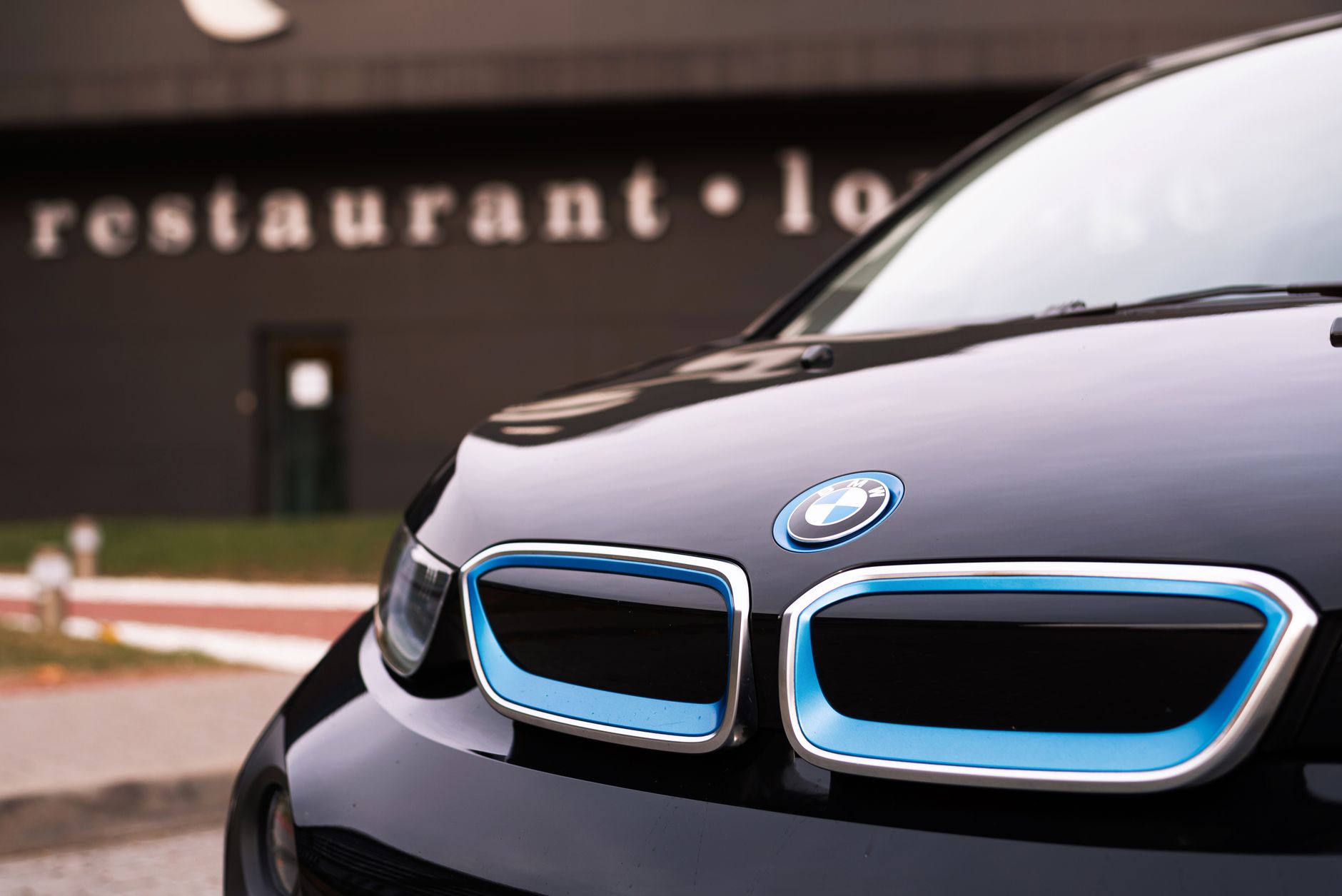
BMW India EV sales are projected to exceed 30% by the second half of 2026, indicating a strong commitment to electric mobility in the region.
Current EV Market Trends in India
The electric vehicle (EV) market in India is witnessing significant growth, driven by increasing consumer awareness and government initiatives aimed at promoting sustainable transportation. As a result, several automotive manufacturers are ramping up their EV offerings to capture a larger share of the market. Among these, BMW India is positioning itself strategically to boost its EV sales in the coming years.
Current trends indicate a shifting consumer preference towards electric vehicles, with many buyers considering EVs for their environmental benefits and lower operating costs. The Indian government has implemented various incentives, including subsidies and tax exemptions, to encourage the adoption of electric vehicles, which has contributed to a more favorable market environment.
BMW India aims to capitalize on these trends with an ambitious target for EV sales. The company expects its EV sales share to cross 30% by the second half of 2026. This goal aligns with the broader industry shift towards electrification, as automakers invest heavily in research and development to enhance battery technology and expand charging infrastructure.
As the market matures, consumers can expect a wider range of EV options, improved performance, and greater accessibility, making electric vehicles a more appealing choice. The ongoing evolution of the Indian EV landscape suggests that companies like BMW India will play a crucial role in shaping a sustainable future for transportation.
BMW’s Commitment to Electric Mobility
As part of its strategic vision for the coming years, BMW India is making significant strides towards enhancing its electric mobility offerings. The company has set a definitive target, expecting its EV sales share to surpass 30% by the second half of 2026. This ambitious goal reflects BMW’s commitment to adapting to the evolving automotive landscape in India, where the demand for electric vehicles is rapidly increasing.
To achieve this target, BMW India is focusing on several key areas:
- Product Diversification: The automaker plans to expand its electric vehicle lineup, introducing new models that cater to diverse consumer preferences.
- Infrastructure Development: Collaborating with local partners, BMW is investing in charging infrastructure to ensure a robust network supporting its EV customers.
- Consumer Education: The brand is committed to educating potential buyers about the benefits of electric mobility, aiming to dispel common myths associated with EVs.
- Government Collaboration: Engaging with government initiatives and policies aimed at promoting electric vehicles will be crucial for BMW’s growth strategy.
With these strategies in place, BMW India is not just anticipating a surge in EV sales but is also positioning itself as a leader in the rapidly evolving electric vehicle market.
Projected Growth of EV Sales
As the electric vehicle (EV) market in India continues to evolve, BMW India is poised for significant growth in its EV sales. The company has set ambitious targets, anticipating that its EV sales share will surpass 30% by the second half of 2026. This projection aligns with the overall trend of increasing electric mobility adoption in the country.
To achieve this goal, BMW India is implementing a multi-faceted growth strategy that includes:
- Expanding the EV lineup: BMW plans to introduce several new electric models that cater to various consumer preferences, ensuring a robust selection for potential buyers.
- Enhancing charging infrastructure: Collaborating with partners, BMW aims to improve the availability and accessibility of charging stations, making it easier for customers to transition to electric vehicles.
- Strengthening customer education: BMW is focusing on informing potential buyers about the benefits and features of electric vehicles, addressing common misconceptions and concerns.
- Incentives and financing options: The company is exploring attractive financing schemes and incentives to encourage customers to opt for EVs over traditional vehicles.
With these strategic initiatives, BMW India is not only aiming to solidify its position in the EV market but also contributing to the broader goal of sustainable transportation in India. The projected growth of EV sales is a promising indicator of the brand’s commitment to electric mobility.
Challenges Facing EV Adoption
The road to widespread electric vehicle (EV) adoption in India is fraught with challenges that manufacturers, including BMW India, must navigate to achieve their sales objectives. Several factors contribute to these hurdles, impacting the overall growth of the EV market.
- Infrastructure Development: One of the primary challenges is the lack of robust charging infrastructure across the country. Limited access to charging stations can deter potential EV buyers, making them hesitant to switch from conventional vehicles.
- Cost of Ownership: Although the initial purchase price of EVs is gradually decreasing, the overall cost of ownership, including maintenance and charging, remains a concern for many consumers. This often leads to a preference for traditional combustion engine vehicles.
- Consumer Awareness: There is still a significant gap in consumer knowledge about the benefits and functionalities of EVs. Effective marketing and educational initiatives are crucial to changing perceptions and driving sales.
- Government Policies: While there have been positive moves from the government to incentivize EV adoption, inconsistent policies and regulatory frameworks can create uncertainty for manufacturers and consumers alike.
As BMW India sets its sights on increasing its EV sales share to over 30% by 2026, addressing these challenges will be essential for the company to implement its growth strategies effectively.
Consumer Preferences for Electric Vehicles
In recent years, consumer preferences for electric vehicles (EVs) have shifted significantly, driven by a combination of environmental awareness and the desire for innovative technology. As the market evolves, BMW India EV sales have been positively influenced by these changing consumer attitudes.
Survey data indicates that a majority of potential car buyers are increasingly inclined towards EVs due to the following factors:
- Environmental Concerns: Many consumers are prioritizing eco-friendly options to reduce their carbon footprint.
- Advanced Technology: Electric vehicles offer cutting-edge features that appeal to tech-savvy buyers.
- Cost Savings: With rising fuel prices, the lower operating costs of EVs are becoming more attractive.
- Government Incentives: Subsidies and tax benefits provided by the government encourage buyers to choose electric over traditional gasoline vehicles.
Additionally, a growing network of charging infrastructure is alleviating range anxiety, making EVs a more viable option for everyday use. BMW’s focus on enhancing customer education about the benefits and capabilities of their electric models is further shaping these preferences.
As consumer confidence in electric vehicles strengthens, the automotive landscape in India is set to transform, with BMW India poised to capitalize on this shift and achieve substantial growth in its EV sales share.
Government Policies Supporting EVs
The Indian government has implemented a series of policies aimed at promoting electric vehicles (EVs), which significantly supports the growth of BMW India EV sales. These initiatives are designed to create a favorable environment for both manufacturers and consumers, encouraging the transition to electric mobility.
- FAME India Scheme: The Faster Adoption and Manufacturing of Electric Vehicles (FAME) program provides financial incentives for EV purchases, making them more affordable for consumers. This has led to increased interest and uptake of electric vehicles across various segments.
- GST Reductions: The Goods and Services Tax (GST) on electric vehicles has been reduced to 5%, compared to 28% on conventional vehicles. This significant reduction boosts the price competitiveness of EVs in the market.
- State-Level Initiatives: Several state governments have introduced their own policies, including subsidies, incentives for charging infrastructure, and tax exemptions, further bolstering the EV ecosystem. These state-specific initiatives complement national efforts and cater to local market dynamics.
- Infrastructure Development: The government is investing in the development of charging infrastructure, which is critical for increasing consumer confidence in EV usage. A robust network of charging stations is essential for supporting the expected growth in BMW India EV sales.
Such supportive policies are instrumental in driving the adoption of electric vehicles, positioning India as a key player in the global EV market by 2026.
Impact of EV Sales on BMW’s Strategy
The impact of EV sales on BMW’s strategy is becoming increasingly significant as the automotive landscape shifts towards sustainable mobility. With BMW India expecting its EV sales share to cross 30% in the second half of 2026, the company is poised to make strategic adjustments that align with this growth trajectory.
One of the core components of BMW’s strategy is to enhance its electric vehicle (EV) portfolio. This includes introducing new models that cater to the preferences of Indian consumers, who are increasingly favoring eco-friendly options. BMW India EV sales will heavily depend on the ability to offer a diverse range of vehicles that combine performance, luxury, and sustainability.
Additionally, the company is focusing on expanding its charging infrastructure to support the growing number of EVs on the road. A robust charging network not only alleviates range anxiety but also enhances the overall customer experience, encouraging more buyers to consider electric options. This strategic move is essential as it complements the government’s push for green mobility and supports the anticipated increase in EV adoption.
Furthermore, BMW plans to invest in marketing efforts aimed at educating consumers about the benefits of electric vehicles, thus driving interest and demand. By aligning its strategy with market trends and government initiatives, BMW is setting a solid foundation for its EV sales growth in India.
Future of Electric Vehicles in India
The future of electric vehicles in India looks promising, with several factors contributing to a robust growth trajectory. As more consumers embrace sustainable mobility solutions, BMW India EV sales are poised to benefit from this shift in consumer behavior.
Several trends are shaping the future landscape of electric vehicles:
- Technological Advancements: Continuous innovations in battery technology and charging infrastructure are making electric vehicles more accessible and convenient for consumers.
- Increased Range: New models are being developed with longer ranges, alleviating concerns about range anxiety among potential buyers.
- Affordability: As production scales up, electric vehicles are expected to become more affordable, attracting a wider customer base.
- Government Incentives: Ongoing government initiatives aimed at promoting electric mobility will further support the growth of EV sales in the country.
- Consumer Awareness: Growing awareness about environmental issues is prompting consumers to consider electric vehicles as a viable alternative to traditional combustion engines.
With these elements in play, the landscape for electric vehicles in India is set to evolve dramatically by 2026. Companies like BMW are not only adapting to this change but are also leading the charge, aiming for significant market share in the burgeoning EV segment.
As the automotive market shifts towards sustainability, BMW India EV sales have shown remarkable resilience and adaptability. The company’s best proven growth strategy for 2026 focuses on expanding its electric vehicle lineup and enhancing charging infrastructure.
Photo by Vitali Adutskevich on Pexels




Leave a Reply