

Market decline reasons are essential to comprehend the recent fall in the Sensex and Nifty. Today, investors are concerned as the markets hit a three-month low, prompting analysis of the underlying causes.
Understanding the Current Market Situation
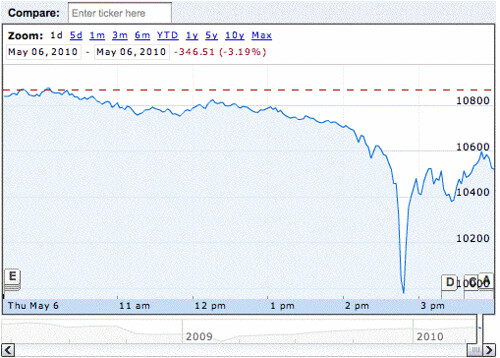
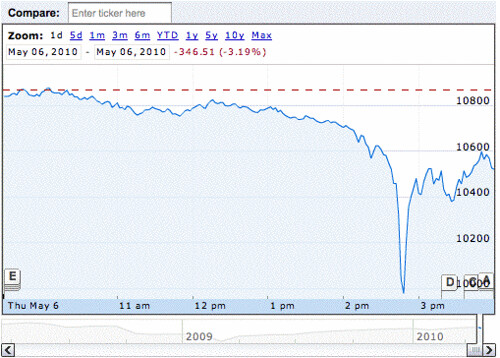
The current market situation has raised concerns among investors as significant declines have been observed in major indices. The Sensex fell by 555 points, while the Nifty ended at a three-month low, prompting analysts to explore the market decline reasons that have contributed to this downturn.
Several factors have been identified as key contributors to the recent market fluctuations:
- Global Economic Concerns: Ongoing fears about a potential recession in major economies have led to increased volatility in the markets.
- Rising Inflation: Persistent inflation rates are impacting consumer spending and corporate profitability, affecting investor sentiment.
- Monetary Policy Changes: Anticipated changes in interest rates by central banks are creating uncertainty among investors.
- Geopolitical Tensions: Conflicts and instability in certain regions have increased risk perceptions in the market.
- Market Corrections: After a prolonged period of growth, a market correction was deemed necessary, leading to the current declines.
Understanding these dynamics is essential for navigating the turbulent market landscape.
Impact of Global Events on Indian Markets
The recent market decline has been significantly influenced by various global events that have impacted investor sentiment. As Indian markets react to these external factors, understanding the underlying reasons becomes crucial.
Several key global events have contributed to the current market decline:
- Geopolitical Tensions: Ongoing conflicts and tensions in different regions have created uncertainty, causing investors to pull back from equities.
- Economic Slowdown: Slowdowns in major economies, particularly in the US and China, have raised concerns about global growth prospects.
- Inflation Woes: Rising inflation rates worldwide have led to tighter monetary policies, affecting market liquidity.
- Supply Chain Disruptions: Continued disruptions in supply chains have created volatility in commodity prices, further impacting market stability.
- Market Sentiment: Negative news cycles and investor sentiment have led to increased selling pressure, exacerbating the market decline.
These factors highlight the complex interplay of global events affecting the Indian markets.
Economic Indicators Affecting Stock Prices
The recent market decline has raised concerns among investors, prompting a closer look at the economic indicators affecting stock prices. Several factors have contributed to this downturn, highlighting the reasons behind the current market situation.
- Inflation Rates: Rising inflation has led to increased costs for businesses, which in turn affects profit margins and stock valuations.
- Interest Rate Changes: Anticipated hikes in interest rates can deter investment in equities as borrowing costs rise.
- Unemployment Figures: High unemployment rates signal a struggling economy, which can lead to decreased consumer spending and lower corporate earnings.
- Manufacturing Data: A decline in manufacturing output often indicates economic slowdown, causing investor confidence to wane.
- Consumer Confidence Index: A drop in consumer sentiment can impact retail sales and overall economic growth.
These economic indicators play a crucial role in explaining the market decline reasons, as they reflect the underlying health of the economy.
Investor Sentiment and Market Reactions
Investor sentiment plays a crucial role in the fluctuations of the stock market, often leading to significant market declines. Today, several factors have contributed to a negative outlook among investors.
- Uncertainty in Global Markets: As international tensions rise, uncertainty has increased, prompting investors to retreat from riskier assets.
- Inflation Concerns: Persistent inflation has led to fears of rising interest rates, which can dampen economic growth and affect corporate profits.
- Corporate Earnings Reports: Disappointing earnings from key companies have also shaken investor confidence, contributing to the market decline.
- Geopolitical Tensions: Ongoing geopolitical issues, particularly in major economies, have created a cloud of uncertainty that makes investors wary.
- Market Corrections: After a period of significant growth, many analysts suggest that a market correction was inevitable, leading to today’s downturn.
Understanding these investor sentiments and reactions is vital for grasping the reasons behind the current market decline.
Sector Performance Analysis
The recent market decline has raised concerns among investors, prompting an analysis of sector performance to identify the underlying reasons. Various sectors have shown mixed results, contributing to the overall downturn.
- Technology Sector: This sector has faced significant pressure due to rising interest rates, which have negatively impacted growth stocks.
- Financial Services: Increased inflation and tighter monetary policies have led to a decline in bank stocks, affecting the overall market sentiment.
- Consumer Goods: A slowdown in consumer spending has hurt companies in this sector, resulting in lower earnings forecasts.
- Energy Sector: Fluctuating oil prices and geopolitical tensions have created uncertainty, leading to losses in energy stocks.
- Real Estate: Higher borrowing costs have dampened demand for properties, further contributing to the market decline.
These sector-specific challenges illustrate the multifaceted reasons behind the current market decline, emphasizing the need for investors to stay informed and agile.
Expert Opinions on Market Trends
Experts in the financial sector have voiced their concerns regarding the recent market decline, identifying several key factors contributing to the downturn. Analyzing the situation, they emphasize the importance of understanding the market decline reasons to navigate these turbulent times effectively.
Among the primary reasons highlighted are:
- Rising Inflation: The persistent increase in inflation rates is eroding consumer purchasing power, creating uncertainty in the market.
- Global Economic Slowdown: A slowdown in major economies worldwide is affecting investor confidence and leading to reduced capital inflow.
- Policy Changes: Recent policy changes by the government have led to apprehensions about future economic stability.
- Geopolitical Tensions: Ongoing geopolitical issues are causing volatility in the markets, further impacting investor sentiment.
- Corporate Earnings Woes: Disappointing earnings reports from key companies are raising alarms about the overall health of the economy.
As analysts continue to monitor these developments, investors are advised to stay informed and cautious.
Future Predictions for Sensex and Nifty
As analysts assess the market decline reasons, future predictions for major indices like Sensex and Nifty remain mixed. Many experts believe that the current bearish trend may continue in the short term due to several underlying issues.
Firstly, economic uncertainties, both domestically and globally, could weigh heavily on market performance. A slowdown in major economies may lead to decreased demand for Indian exports, affecting corporate earnings.
Secondly, inflationary pressures are likely to persist, prompting central banks to adopt tighter monetary policies. This could lead to higher interest rates, which may deter investment and consumer spending.
Additionally, geopolitical tensions and fluctuations in oil prices might further complicate the recovery. Analysts are also watching for shifts in investor sentiment, as a lack of confidence could exacerbate the downturn.
In conclusion, while some experts remain optimistic about a rebound, the combined factors contributing to the market decline suggest a cautious outlook for the foreseeable future.
Strategies for Navigating Market Decline
As investors grapple with the current market decline, it is essential to adopt effective strategies to minimize risks and capitalize on potential opportunities. Here are some approaches to consider:
- Diversification: Spread investments across various sectors to mitigate losses from underperforming areas.
- Focus on Quality: Prioritize stocks of companies with strong fundamentals and robust balance sheets that can withstand economic downturns.
- Stay Informed: Keep abreast of market trends and global events that could affect stock performance, as understanding market decline reasons is crucial for informed decision-making.
- Long-term Perspective: Resist the urge to sell during a downturn. Maintaining a long-term investment strategy can help weather temporary fluctuations.
- Consult Experts: Seek advice from financial advisors to tailor strategies that align with individual risk tolerance and investment goals.
By implementing these strategies, investors can better navigate the challenges posed by market declines and potentially emerge stronger in the long run.
Investors are increasingly concerned about the market decline reasons that have emerged in recent months. Understanding these market decline reasons is crucial for making informed financial decisions.
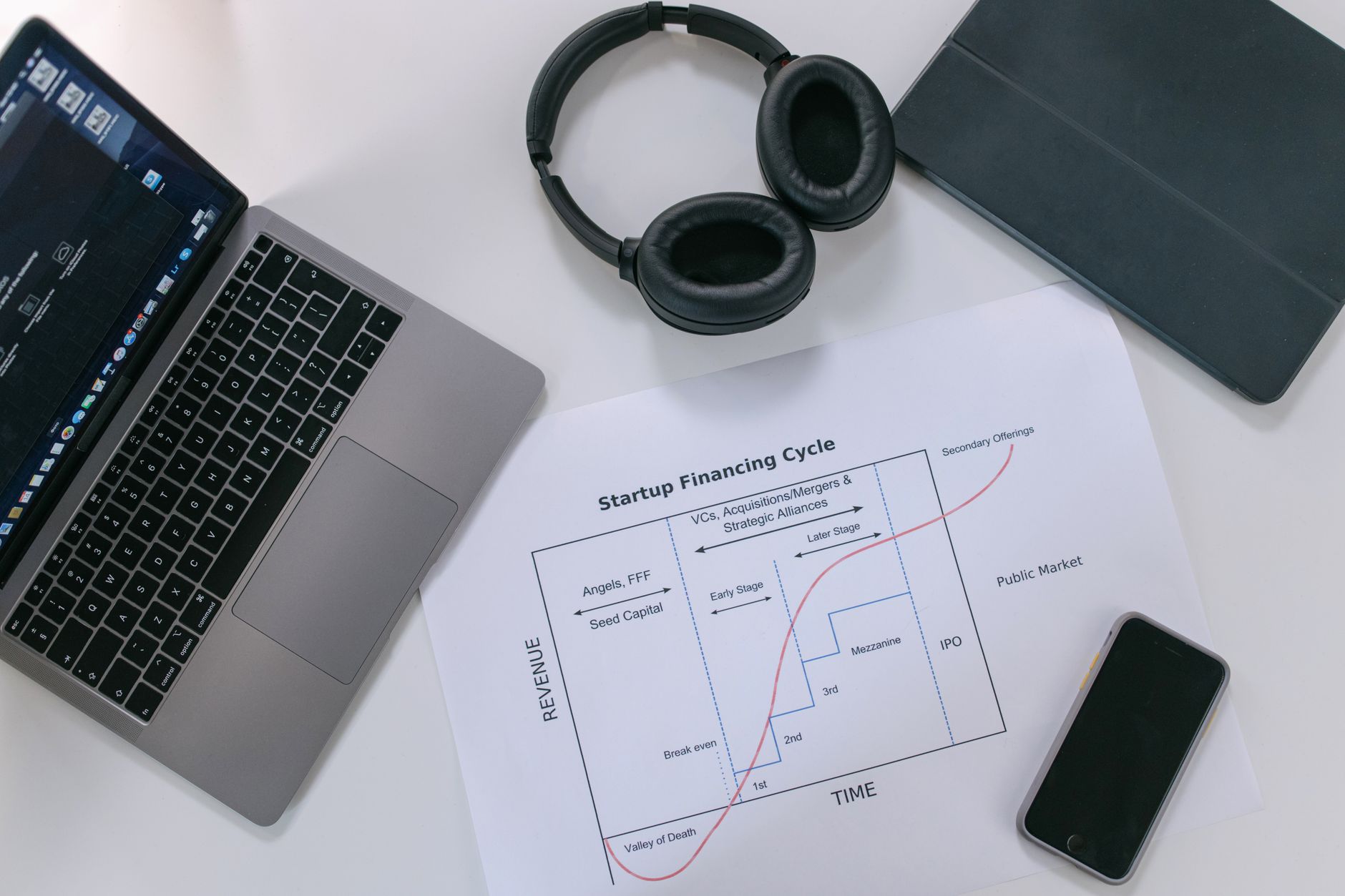
Photo by Leeloo The First on Pexels
References
Related stories
Prasol Chemicals IPO: Is It the Smart Choice for Investors? · Ethereum price prediction: Is $2,550 Still Possible? · IPO GMP check: Worst Listing Predictions for LCC Projects







Leave a Reply