
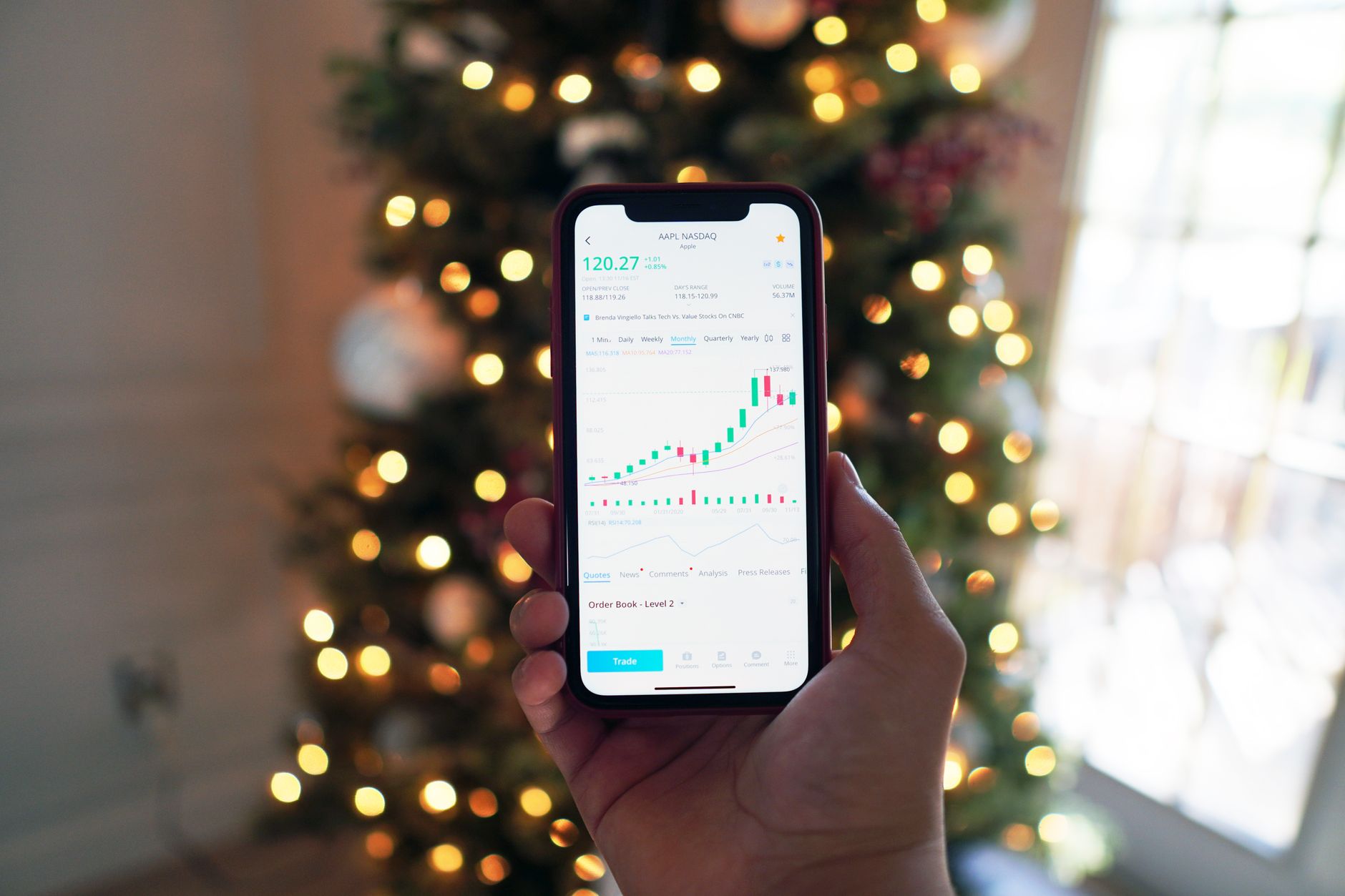
Stock Market Holiday is the reason NSE and BSE are closed today. Understanding the implications of this closure can help investors plan their strategies effectively.
Understanding the Stock Market Holiday
The concept of a Stock Market Holiday is significant for traders and investors alike, as it marks a day when major stock exchanges are closed for trading. This closure can stem from various reasons, including national holidays, significant events, or observances that impact market operations.
On October 20, the National Stock Exchange (NSE) and Bombay Stock Exchange (BSE) are closed, allowing market participants a chance to pause and reflect. Understanding the reasons for these holidays is essential for effective trading strategies.
Some of the factors contributing to a Stock Market Holiday can include:
- National celebrations and public holidays
- Significant cultural or religious observances
- Market regulations and guidelines
Being aware of these closures helps investors plan their trading activities accordingly.
Why NSE and BSE are Closed Today
The National Stock Exchange (NSE) and Bombay Stock Exchange (BSE) are closed today due to the observance of a stock market holiday. This closure is significant as it allows traders and investors a break from the usual trading activities.
Some of the key reasons for this holiday include:
- Cultural Significance: The holiday is often aligned with important festivals or national observances.
- Market Regulation: Regulatory bodies may designate specific days for closure to maintain market integrity.
- Investor Well-being: Providing time off helps investors recharge and reassess their strategies.
Understanding the rationale behind a stock market holiday is essential for both seasoned traders and new investors alike.
MCX Trading Hours Explained
The Multi Commodity Exchange (MCX) operates under a specific schedule, especially during stock market holidays. On such days, trading hours are affected, which can impact traders and investors alike.
Typically, the MCX trading hours are as follows:
- Morning Session: 10:00 AM to 11:30 AM
- Afternoon Session: 12:30 PM to 5:00 PM
However, on a stock market holiday like today, the MCX will remain closed, mirroring the operational pauses of major exchanges such as NSE and BSE. This closure is crucial for various reasons, including observance of national events and maintenance of market integrity. Investors should keep track of these holidays to plan their trading activities accordingly and ensure they are aware of the MCX trading hours during regular days.
Upcoming Market Holidays in 2026
As we look ahead to 2026, several important dates are marked for stock market holidays. These closures provide traders and investors with a much-needed break and allow for essential maintenance and updates within the trading systems. The following is a list of the upcoming market holidays in 2026:
- January 1: New Year’s Day
- March 25: Good Friday
- August 15: Independence Day
- October 2: Gandhi Jayanti
- November 14: Diwali
- December 25: Christmas Day
These stock market holidays play a crucial role in maintaining a balanced trading environment and ensuring that all market participants have equal opportunities to engage with the markets.
Impact of Holidays on Trading Strategies
The stock market holiday can significantly impact trading strategies for investors and traders alike. Many traders use these holidays to reassess their portfolios and adjust their strategies in response to market trends and performance. During a market closure, there is an opportunity to analyze past trades and research potential investments without the immediate pressure of market fluctuations.
Additionally, holidays often coincide with economic reports or earnings releases, which may influence market sentiment. Traders who plan ahead can leverage this downtime to position themselves effectively for when trading resumes.
It is also crucial to consider that prolonged periods of inactivity might lead to shifts in liquidity and volatility upon reopening. Thus, understanding the implications of a stock market holiday can enhance strategy formulation and risk management.
Ultimately, a thoughtful approach to these closures can yield better outcomes in a dynamic trading environment.
Photo by Joshua Mayo on Pexels






Leave a Reply