
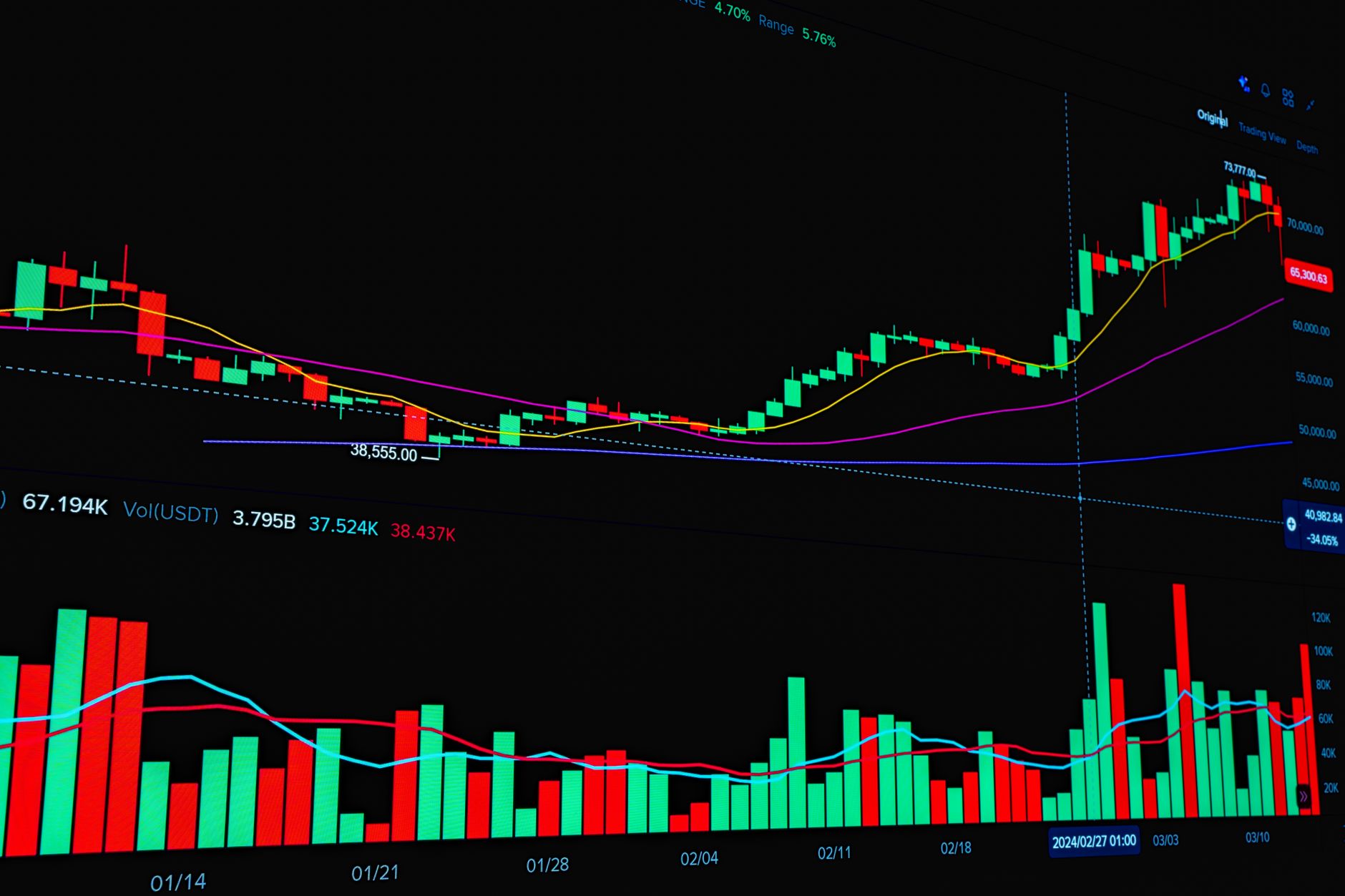
financial stocks fall in response to the growing influence of AI and a flattening yield curve. Investors are closely monitoring these developments as they could significantly impact market trends.
Understanding the Yield Curve
The yield curve is a crucial indicator in the financial markets, reflecting the relationship between interest rates and the time to maturity of debt securities. A normal upward-sloping yield curve suggests that longer-term bonds have higher yields compared to short-term ones, indicating investor confidence in economic growth. However, when the yield curve flattens or inverts, it can signal economic uncertainty.
Recent trends show that the yield curve has been flattening, contributing to the decline in financial stocks. As the yield curve flattens, banks and financial institutions may experience lower profit margins, which negatively impacts their stock prices. This phenomenon has been further exacerbated by the rise of artificial intelligence (AI), which is altering how financial institutions operate and manage risk.
- Flattening Yield Curve: Indicates potential economic slowdown.
- AI Impact: Reshapes risk management and operational efficiency.
- Financial Stocks Fall: Reflects market concerns over profitability.
Investors are watching these developments closely as they navigate the complexities of a shifting financial landscape.
The Role of AI in Finance
The integration of artificial intelligence in the finance sector has become increasingly important, especially as financial stocks fall. AI technologies are being used to enhance decision-making, risk assessment, and operational efficiency. By analyzing vast amounts of data, AI can identify patterns that human analysts might overlook, allowing firms to make informed investment choices.
However, this technological advancement comes with its challenges. As financial stocks fall, investors are becoming cautious, weighing the benefits of AI against potential risks. Among these risks is the volatility introduced by AI-driven trading algorithms, which can lead to rapid market fluctuations.
Moreover, the flattening yield curve has created an environment of uncertainty, prompting financial institutions to reassess their strategies. Many firms are turning to AI to navigate these complexities, hoping to mitigate losses and optimize their portfolios.
As the landscape evolves, the role of AI in finance will undoubtedly continue to grow, potentially reshaping how investors respond to economic signals such as the yield curve.
Market Reactions to Economic Indicators
The recent fluctuations in financial stocks fall in response to key economic indicators have raised concerns among investors. The flattening of the yield curve has been a significant factor, as it typically signals a potential slowdown in economic growth. With short-term interest rates rising and long-term rates declining, investors are wary of the implications for banks and other financial institutions.
Moreover, the rise of artificial intelligence in finance has transformed how companies operate, affecting their stock performance. While AI offers opportunities for efficiency and data analysis, it also introduces uncertainties about future profitability and market strategies. The combination of these factors has led to increased volatility in the financial sector.
Analysts are closely monitoring these trends, noting that a sustained decline in financial stocks could indicate deeper issues within the economy. Investors are advised to remain vigilant and consider the broader implications of the current landscape, especially regarding the interplay between AI advancements and traditional financial metrics.
Expert Opinions on Financial Stocks
As financial stocks fall amid increasing concerns over the flattening yield curve and the impact of artificial intelligence, experts are weighing in on the reasons behind this trend. Dr. Emily Carter, a financial analyst at Global Insights, noted that “the volatility in financial markets is directly influenced by the current economic environment and technological advancements.”
Many analysts suggest that the integration of AI into trading and investment strategies has changed the landscape, leading to unpredictable market behaviors. James Thompson, a market strategist, stated, “While AI has the potential to enhance decision-making, it also introduces risks that can exacerbate market downturns.”
Furthermore, with the yield curve flattening, investors are becoming increasingly cautious. Lisa Chen, an economist at FinTech Research, explained, “A flatter yield curve often indicates economic uncertainty, prompting investors to re-evaluate their positions in financial stocks.”
As sentiment shifts in the market, many experts believe that the current state of financial stocks will continue to be influenced by both AI advancements and economic signals.
Future Predictions for the Market
As investors analyze the current climate, future predictions for the market are becoming increasingly concerning. Analysts suggest that the recent trend of financial stocks falling may continue as the impact of artificial intelligence (AI) and the flattening yield curve persist. Market experts indicate that the interplay between these two factors could reshape the financial landscape in the coming months.
Many believe that AI technology will fundamentally alter how financial institutions operate, leading to both opportunities and challenges. The ability of AI to process vast amounts of data may improve decision-making but could also result in unexpected market reactions. Additionally, a flattening yield curve typically signals economic uncertainty, which often triggers cautious behavior among investors.
Considering these dynamics, it is essential for stakeholders to stay informed about potential shifts. The correlation between economic indicators and financial stocks falling highlights the importance of strategic planning and risk management in navigating uncertain waters.
Analyzing Recent Stock Performance
Recent trading sessions have shown a notable decline in financial stocks, prompting analysts to investigate the underlying causes. The intersection of artificial intelligence advancements and a flattening yield curve has raised concerns among investors.
Financial stocks have historically been sensitive to changes in interest rates, and the current environment is no exception. With the yield curve flattening, many banks and financial institutions face pressure on their profit margins. As a result, financial stocks fall in response to fears of reduced lending profitability.
Moreover, the integration of AI technologies in the financial sector is reshaping traditional business models. While AI has the potential to drive efficiency and reduce costs, it also introduces uncertainty about job security and long-term profitability for established firms.
Market analysts are now closely monitoring the situation, as shifts in investor sentiment may lead to further volatility. As economic indicators evolve, the performance of financial stocks will likely remain a key focus for stakeholders in the coming weeks.
Strategies for Investors Amidst Changes
As financial stocks fall amid the evolving landscape shaped by artificial intelligence and changing yield curves, investors must adapt their strategies to navigate these challenges. Below are some recommended approaches:
- Diversification: Spread investments across various sectors to mitigate risk. This practice can help cushion against volatility in financial stocks.
- Focus on Quality: Prioritize established companies with solid fundamentals. These firms are often better positioned to withstand market fluctuations.
- Monitor Economic Indicators: Keep a close eye on yield curve movements and economic reports, as these factors can significantly influence market sentiment.
- Embrace Technology: Leverage AI tools for data analysis and predictive modeling. These technologies can provide deeper insights into market trends and support informed decision-making.
- Stay Informed: Regularly review expert analyses and industry reports to understand the broader market dynamics affecting financial stocks.
By implementing these strategies, investors can better position themselves in an uncertain environment.
The recent trend shows that as interest rates fluctuate, financial stocks fall, reflecting investor concerns. Analysts suggest that the correlation between AI advancements and yield curves could be a significant factor in why financial stocks fall during economic uncertainty.
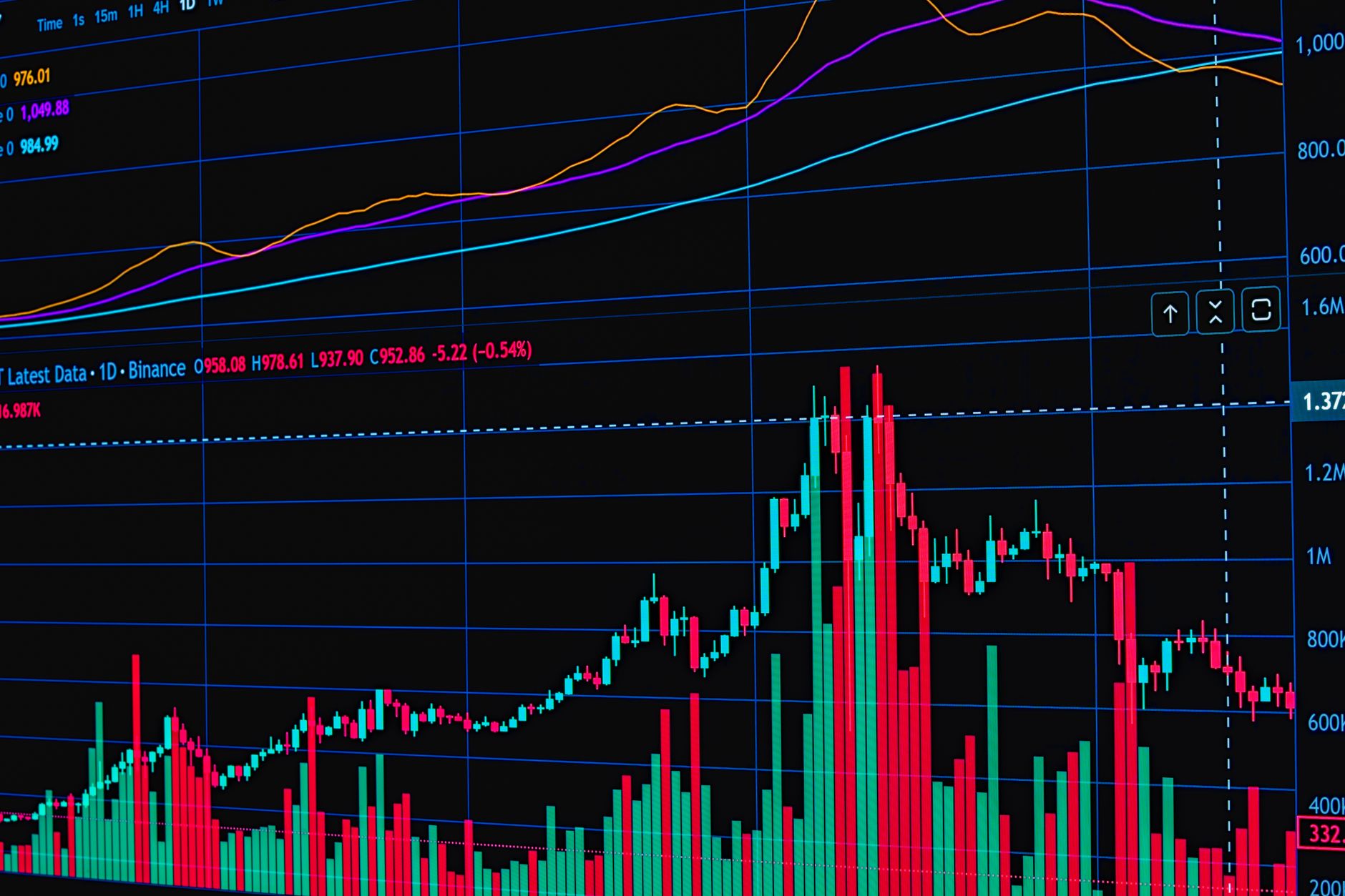
Photo by Rafael Minguet Delgado on Pexels








Leave a Reply