
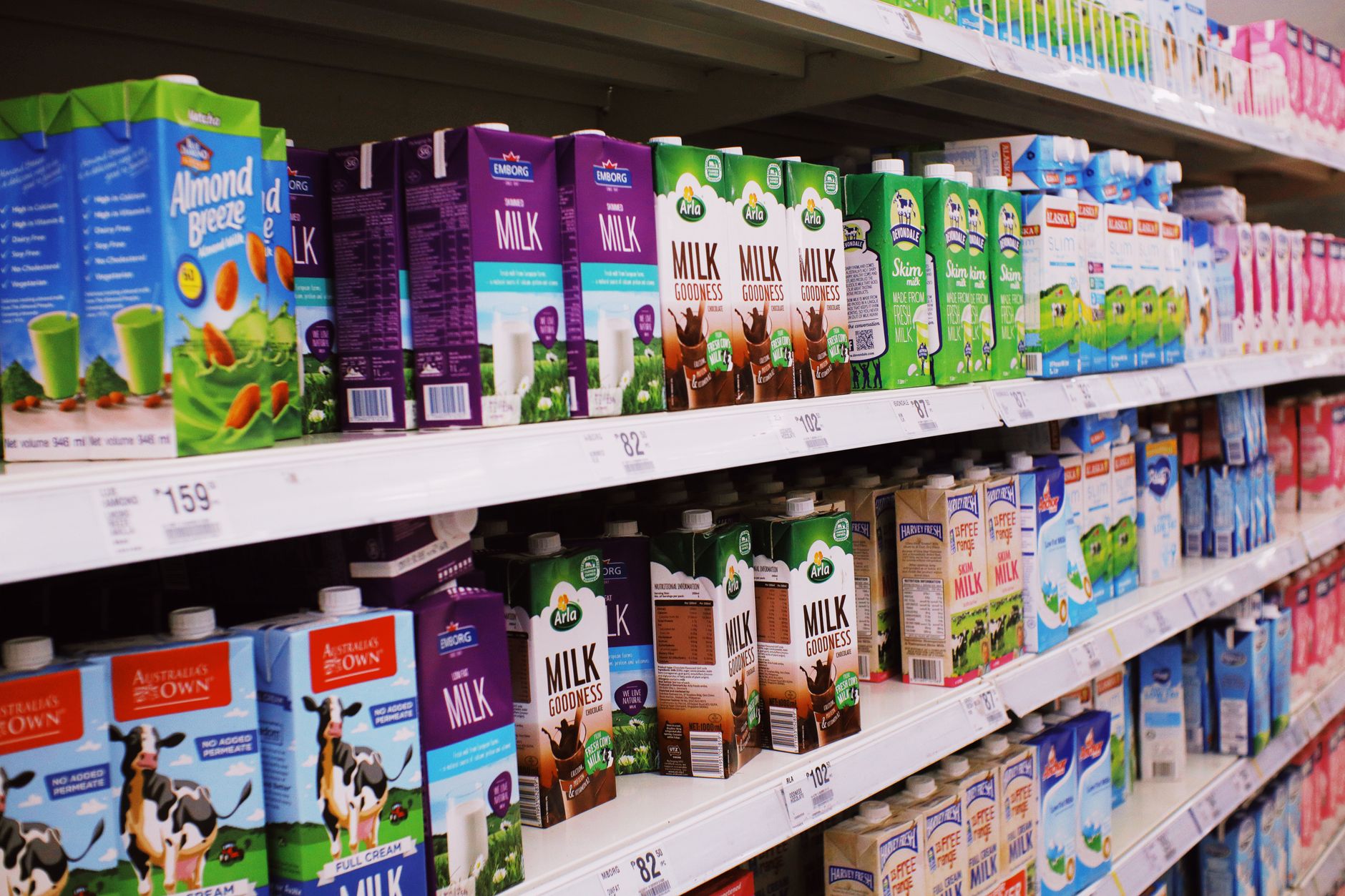
Amul milk price hike is making headlines as the dairy giant increases rates by up to Rs 6 per litre starting Thursday. Consumers are concerned about the impact on their budgets.
Reasons Behind the Price Increase
The recent Amul milk price hike has raised concerns among consumers and industry experts alike. Several factors contribute to this increase, impacting the overall pricing of dairy products across the market.
- Increase in Input Costs: One of the primary reasons behind the price hike is the rising cost of raw materials. Over the past year, there has been a significant surge in the prices of cattle feed and other essential supplies.
- Transportation Expenses: With fuel prices fluctuating, transportation costs have also escalated. Dairy companies, including Amul, are compelled to pass on these expenses to consumers.
- Market Demand: The demand for milk and milk products has remained consistently high. As more consumers opt for nutritious dairy options, companies are adjusting prices to manage supply and demand effectively.
- Quality Control: To maintain the high quality of their products, Amul has invested in better technology and processes, which also contributes to the increased cost of production.
As a result, the recent Amul milk price hike has become a topic of discussion among consumers, prompting many to weigh the benefits of purchasing premium dairy products against the extra cost.
Impact on Consumers
The recent Amul milk price hike has raised concerns among consumers regarding the affordability and accessibility of essential dairy products. With the increase of up to Rs 6 per litre, many households are now faced with the decision of whether to continue purchasing Amul products or seek alternatives. This change has sparked conversations about budgeting and the overall impact on daily expenses.
Consumers are particularly worried about how the price increase will affect their grocery bills. The following points highlight the potential impacts:
- Increased Grocery Budgets: Households may need to allocate more funds toward dairy products, causing strain on overall budgets.
- Shift to Alternatives: Some families might consider switching to other brands or local dairy products that offer more competitive pricing.
- Impact on Nutrition: A reduced consumption of milk could lead to nutritional deficits, especially for growing children who rely on dairy for calcium and vitamins.
- Consumer Sentiment: Many consumers express frustration over the continued rise in prices, leading to a decline in brand loyalty.
As the Amul milk price hike takes effect, consumers will need to evaluate their options carefully, balancing quality and cost while managing their household budgets.
Amul’s Market Position
Amul has long been a dominant player in the Indian dairy market, known for its high-quality products and strong brand loyalty among consumers. The recent Amul milk price hike has raised questions about its market position and potential impact on its customer base. Despite the price increase, Amul remains a preferred choice for many households due to its commitment to quality and reliability.
The company has successfully maintained its reputation by offering a diverse range of dairy products, including cheese, butter, and ice cream, which complement its milk offerings. This variety allows Amul to retain customers who may be hesitant to switch to alternative brands, even in light of rising prices.
Moreover, Amul’s extensive distribution network ensures that its products are readily available across urban and rural areas, further solidifying its market position. While some consumers may seek cheaper alternatives in response to the recent price hike, many loyal customers are likely to continue supporting the brand, valuing the quality over cost.
In a competitive market, Amul’s ability to adapt to changing economic conditions and consumer preferences will be crucial. As the dairy giant navigates this price increase, it may also need to focus on enhancing its value proposition to maintain customer loyalty amidst the evolving landscape.
Future of Dairy Pricing in India
The recent Amul milk price hike has raised questions about the future of dairy pricing in India. As the cost of production continues to escalate due to rising feed and transportation costs, dairy companies may have to adjust their prices accordingly. This increase is not isolated to Amul; other major players in the dairy sector, such as Mother Dairy, are also following suit, indicating a broader trend in the industry.
Industry experts suggest that sustained price hikes could become the norm if inflationary pressures persist. Consumers may see further adjustments, especially as global milk prices fluctuate due to changing demand patterns. A potential shift in consumer preferences towards value-added dairy products could also impact pricing strategies.
Many consumers are now evaluating the value of dairy products in their diets, weighing the importance of quality against rising costs. The trend towards organic and health-conscious products may lead consumers to prioritize brands that offer perceived health benefits, potentially allowing them to accept higher price tags.
In conclusion, while the Amul milk price hike may be a temporary adjustment to economic pressures, it signals a larger conversation surrounding the sustainability of dairy pricing in the Indian market, forcing both companies and consumers to rethink their strategies.
Photo by Nothing Ahead on Pexels




Leave a Reply